
Barberton Fried Chicken (Akron’s Crunchy Secret)
If you’ve only known Southern-style fried chicken, Barberton will feel like a different sport. The crust is darker—almost bronze—with a distinctive snap. The method is Serbian-American, the fat is lard, and the “hot sauce” on the plate isn’t a bottle at all.
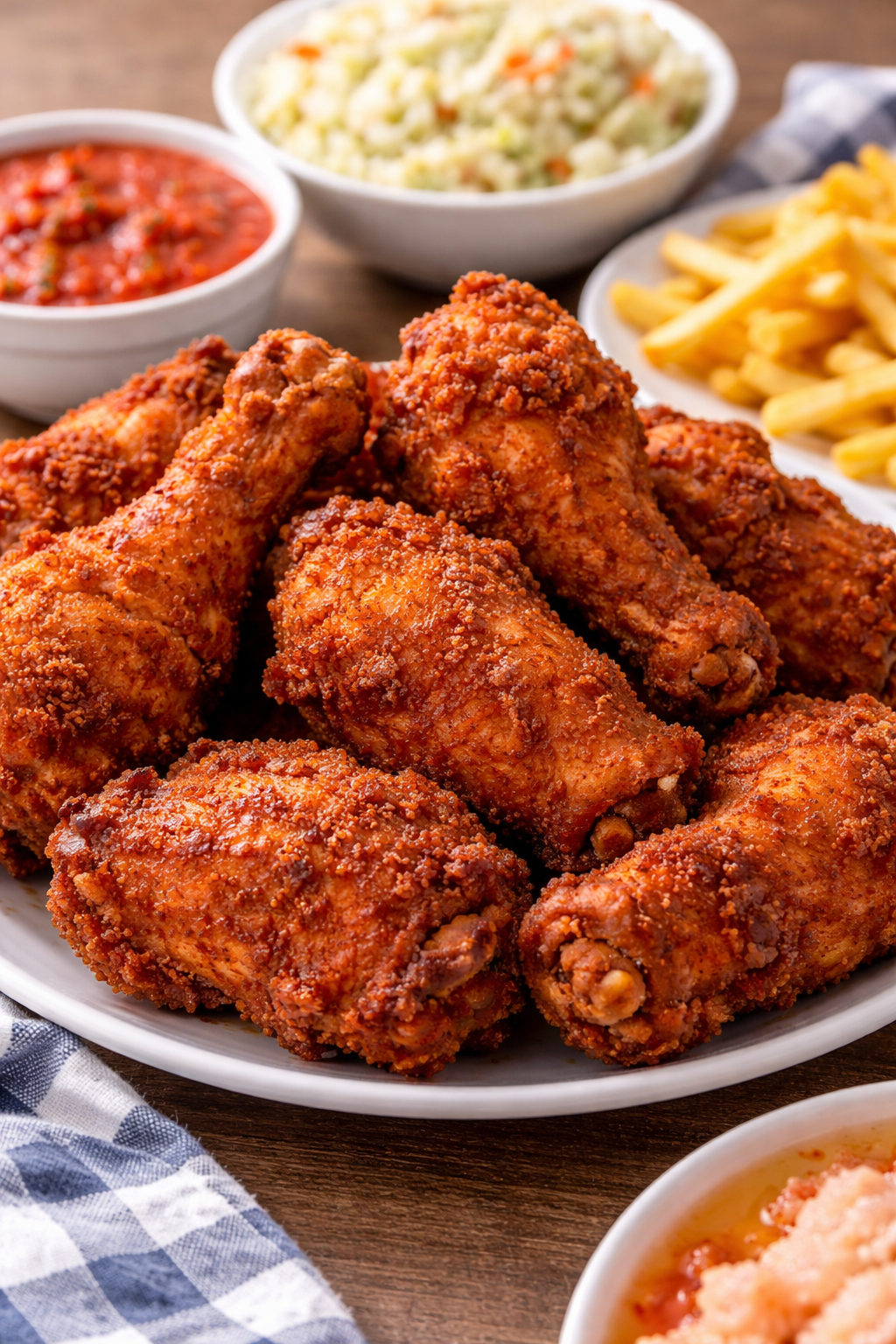
Barberton fried chicken became a defining Ohio food because it stayed stubbornly specific. It’s not trying to be Nashville hot, extra-spicy, double-battered, or “elevated.” It’s built on a small set of rules—salt-brined chicken, a breading that sets overnight, and a steady lard fry that creates that signature crisp-but-not-flaky crust. In Barberton, it’s traditionally served with fries, vinegar coleslaw, and a tomato-rice side called “hot sauce.”
What Makes Barberton Chicken Different?
Barberton chicken traces back to Serbian immigrants and a specific regional technique. The result is its own category, with a few non-negotiables:
- No buttermilk: The classic approach is a simple salt brine. The chicken is meant to taste like chicken, not dairy marinade.
- Overnight rest: After breading, the chicken rests in the fridge so the coating “locks” onto the skin and fries crisp instead of sliding off.
- Lard fry: This isn’t a “healthy swap” situation. The lard contributes flavor and helps create a distinctive crust texture.
- The color: The crust is often deeper than golden—more bronze/reddish—especially with paprika in the dredge.
That combination is why Barberton chicken feels old-world and blue-collar at the same time: simple ingredients, strict technique, and a plate that hasn’t changed much in decades.
A Quick History (Why This Exists in Ohio)
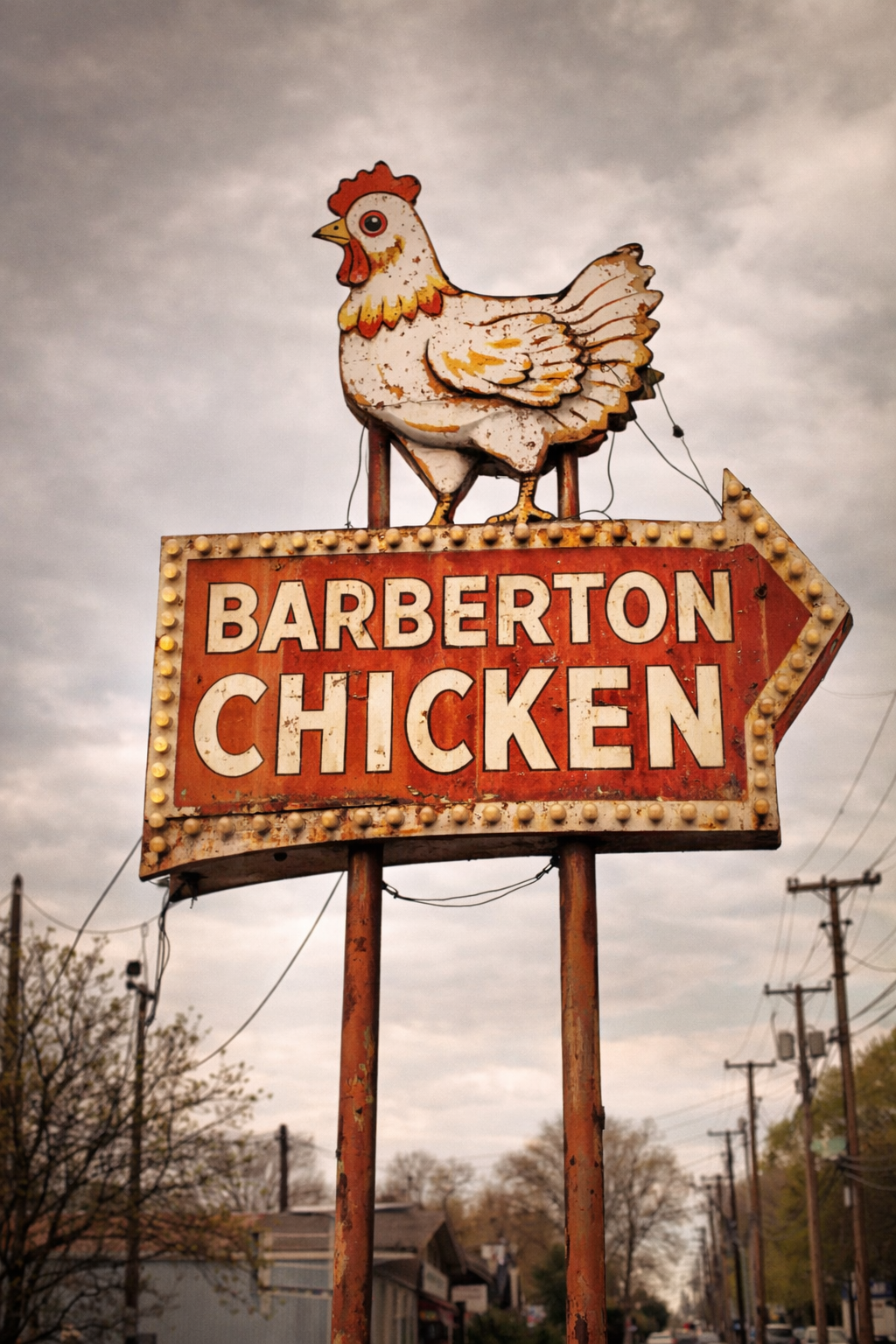
Barberton’s chicken culture is tied to Serbian immigration and to one restaurant that set the template: Belgrade Gardens, opened in 1933. The style spread through family and employee “bloodlines,” eventually becoming the town’s defining meal and a regional destination. That’s why you’ll hear people speak about Barberton chicken less like a recipe and more like a tradition you either grew up with—or drove in for.
The Barberton Plate (The Full Meal Matters)
Barberton chicken is rarely served alone. The classic plate usually includes:
- French fries: Simple, salted, and there to carry gravy or “hot sauce.”
- Vinegar coleslaw: Not creamy—acidic and crisp to cut the richness of lard frying.
- “Hot sauce” rice: A tomato-and-rice side dish (not a spicy condiment), often spooned next to the chicken.
Ohio logic: Rich chicken + sharp slaw + starchy sides = balance. You don’t notice it until you eat the chicken without the slaw. Then you understand why the plate is designed that way.
🛠️ The Equipment Locker
Temperature drop is the enemy. If the fat cools when you add chicken, the crust goes soft and greasy. Heavy cast iron holds heat steady.
The Official Roster
Serves 6. (Yes, the overnight rest is part of the authentic texture.)
The Chicken + Brine
- 1 whole chicken (2½–3 lbs), cut into pieces
- 2 tbsp kosher salt
- 6 cups cold water
The Breading Line
- 2 cups all-purpose flour
- 1½ tsp kosher salt
- 1 tsp paprika
- ½ tsp garlic powder
- 2 large eggs + 2 tbsp water
- 2 cups fine breadcrumbs
The Fry
- 2½–3 lbs leaf lard (or quality pork lard)
- Instant-read thermometer (highly recommended)
The Game Plan (Step-by-Step)
- Brine (No Buttermilk): Dissolve 2 tbsp kosher salt in 6 cups cold water. Submerge chicken pieces 2–4 hours (or overnight). Drain and pat completely dry. Dry chicken fries crisp.
- Set Your Stations: Bowl 1: flour + salt + paprika + garlic powder. Bowl 2: eggs + 2 tbsp water. Bowl 3: fine breadcrumbs.
- Bread the Chicken: Flour → egg → breadcrumbs. Press gently. You want full coverage, not loose crumbs falling off.
- Rest Overnight (This Is the Move): Place breaded pieces on a rack over a sheet pan. Refrigerate uncovered 8–12 hours. This firms the coating and prevents “bald spots” in the fry.
- Melt Lard to 325–350°F: Use a heavy Dutch oven. Keep fat depth around 1½–2 inches (you’re mostly shallow-frying, turning pieces as needed).
- Fry in Batches: Don’t crowd. Fry 14–18 minutes total depending on cut size, turning once or twice. You’re looking for a deep bronze color and 165°F internal temp in the thickest part.
- Drain Correctly: Drain on a rack (not paper towels) 5 minutes. A rack keeps steam from softening the crust underneath.
- Serve the Full Plate: Fries + vinegar slaw + hot sauce rice. If you serve only chicken, you’re missing the Barberton logic.
Barberton “Hot Sauce” Rice (The Side That Confuses Everyone)
In Barberton, “hot sauce” is not a hot sauce. It’s a tomato-and-rice side dish served next to the chicken. It’s savory, slightly tangy, and designed to be forked into bites of fried chicken and fries. If you want to build a truly faithful plate at home, make this simple version:
Bonus: Hot Sauce Rice (Quick Home Version)
- 1 tbsp butter (or a spoon of chicken drippings)
- ½ small onion, finely minced
- 1 cup long-grain rice
- 2 cups chicken broth
- 1 cup tomato sauce
- ½ tsp paprika + pinch black pepper
- Salt to taste
- Sauté: Melt butter and cook onion until soft (3–4 minutes).
- Simmer: Add rice, broth, tomato sauce, paprika, and pepper. Bring to a simmer.
- Cover + Cook: Cover and cook on low 18 minutes. Rest 5 minutes, then fluff.
- Serve: Spoon next to the chicken. It’s meant to be part of the same forkful.
Pro-Tips & Audibles
Pro-Tip (The Overnight Set)
Resting the breaded chicken is not optional. The refrigerator time dries the exterior slightly and helps the breading fuse to the skin. Skip it and you’ll lose crust in the pot—and that’s the whole point of Barberton.
Pro-Tip (The Temperature Discipline)
Don’t chase 375°F. Barberton is often cooked lower and steadier. If you crank the heat to hurry, the outside darkens too fast and the inside lags behind. Keep it consistent, fry in batches, and trust the method.
The Buckeye Audible (If You Can’t Find Leaf Lard)
Use high-quality pork lard. Leaf lard is the gold standard, but good pork lard still gets you 90% of the flavor. Avoid strongly flavored bacon grease for this one—it shifts the profile away from Barberton.
Common Mistakes (Penalties 🚩)
- Skipping the overnight rest: Your crust will slide and patch off in the pot.
- Wet chicken: Moisture = steam = soft breading. Pat dry like it matters.
- Crowding the pot: Fat temperature drops, crust goes greasy.
- Paper-towel draining: It traps steam under the chicken and softens the bottom crust.
Storage, Reheat, and Leftovers
Fridge: Store leftovers in an airtight container up to 3 days. Keep fries separate if possible.
Reheat (best): Oven at 400°F on a rack for 12–15 minutes until hot and re-crisped. Air fryer also works well.
Freeze: You can freeze fried chicken, but the crust loses some snap. If freezing, wrap tightly and reheat from thawed in the oven on a rack.
Final Whistle
Barberton fried chicken is Ohio proof that “regional” can mean world-class. It’s not loud food. It’s disciplined food: salt, time, lard, and a crust that makes an actual sound when you bite it. Make the whole plate, and you’ll understand why a small town built an identity around a chicken dinner.
Frequently Asked Questions
Do I really need to use lard?
For the closest Barberton flavor and texture, yes. Oil will fry chicken, but lard is a major part of what makes this style taste “right.”
Why does the breading need to rest overnight?
That rest time dries and sets the coating so it bonds to the chicken and fries crisp instead of slipping off. It’s the difference between “good fried chicken” and “Barberton.”
What is Barberton “Hot Sauce”?
It’s a tomato-and-rice side dish served on the plate—NOT a spicy liquid condiment. It’s meant to be eaten with the chicken and fries.
Can I use boneless chicken?
You can, but it’s not the same. This style is built around whole chicken pieces and bone-in frying time. Boneless cuts cook too fast and don’t deliver the same “classic plate” experience.